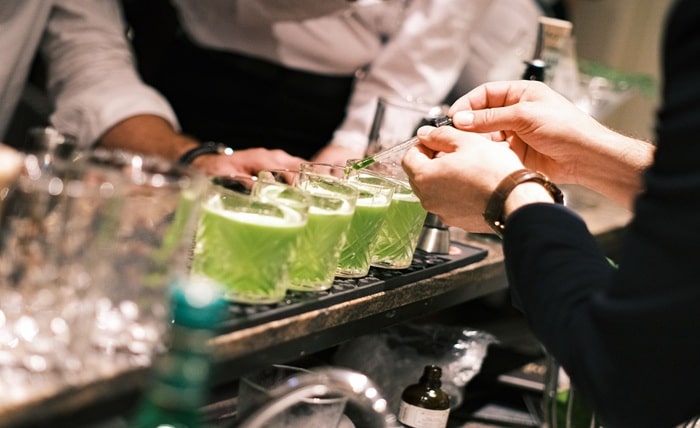
Alcohol-free cocktails, commonly called mocktails, are becoming a familiar feature of cafés, restaurants, parties, and social gatherings. For younger consumers, ordering a drink no longer necessarily means choosing between alcohol and ordinary soft drinks. Mocktails offer combinations of fruit, herbs, spices, and other ingredients prepared using techniques associated with cocktail making. Their growing visibility reflects changing attitudes toward drinking, social participation, wellness, and the role of beverages in leisure activities.
Digital entertainment and nightlife also demonstrate how people choose different forms of recreation. Someone exploring online activities may read more about chance-based casino games involving financial risks, although gambling has no connection to responsible drinking choices. Mocktail culture instead raises questions about consumer preferences, hospitality trends, and the changing expectations of people attending social events.
What Are Mocktails?
Mocktails are mixed drinks prepared without alcoholic spirits. They may contain fruit juice, sparkling water, tea, syrups, herbs, or spices.
Unlike ordinary soft drinks, mocktails often involve several ingredients and preparation techniques.
Bartenders may use shaking, stirring, muddling, and garnish preparation to develop flavor and presentation.
Some recipes imitate established cocktail styles, while others are created specifically for alcohol-free menus.
The category allows consumers to enjoy the experience of ordering a mixed drink without consuming alcohol.
Why Young Adults Are Rethinking Alcohol
Some young adults are reconsidering the role of alcohol in their social lives.
Reasons include health concerns, financial priorities, personal preferences, and the desire to remain alert during social events.
Others avoid drinking because of medication, religious practices, training schedules, or previous experiences.
However, alcohol consumption patterns vary by country and social group.
The visibility of alcohol-free drinks does not mean every young person has stopped drinking.
Instead, consumers increasingly expect venues to provide alternatives that accommodate different preferences.
Socializing Without Drinking Alcohol
Traditional nightlife often connects social participation with alcoholic beverages.
People attending parties or meeting friends may feel pressure to order drinks similar to those chosen by others.
Mocktails provide an alternative that fits the setting without requiring alcohol consumption.
This can make gatherings more inclusive for designated drivers, people avoiding alcohol, and guests who simply prefer different beverages.
The availability of appealing alternatives may also reduce the need to explain personal drinking decisions.
The Influence of Wellness Culture
Wellness discussions increasingly address sleep, exercise, nutrition, and recovery.
Alcohol can interfere with sleep quality and contribute to other health risks, making reduced consumption attractive to some consumers.
Choosing a mocktail eliminates alcohol from that particular drink.
However, alcohol-free does not automatically mean low in calories or sugar.
Some recipes contain substantial amounts of syrup, sweetened juice, or other ingredients.
Consumers interested in nutrition should examine the complete recipe rather than relying exclusively on the absence of alcohol.
Why Mocktails Appeal to Social Media Users
Mocktails often feature contrasting colors, garnishes, and serving techniques that make them recognizable in photographs and videos.
Creators share recipes, preparation demonstrations, and recommendations from hospitality venues.
These videos can introduce viewers to ingredients and combinations they have not previously tried.
However, presentation can sometimes receive more attention than flavor or nutritional composition.
A drink’s appearance does not necessarily establish its quality.
Consumers benefit from considering ingredients and personal preferences alongside visual appeal.
How Bars and Restaurants Are Adapting
Hospitality businesses increasingly recognize that not every customer wants alcohol.
Offering a selection of mocktails can help restaurants accommodate groups with different drinking preferences.
Some venues develop alcohol-free menus using tea infusions, herbs, fruit reductions, and flavored sparkling water.
These beverages may require preparation time comparable to alcoholic cocktails.
However, pricing should reflect ingredient quality, labor, and portion size.
Customers may be reluctant to pay premium prices for drinks consisting mainly of inexpensive juice and ice.
Ingredients That Define Mocktail Flavor
A successful mocktail requires balance rather than simply combining sweet ingredients.
Acidity from citrus can balance sweetness, while herbs and spices introduce aroma.
Tea, coffee, and botanical infusions can add bitterness or depth.
Sparkling water contributes carbonation without necessarily adding sugar.
Bartenders may adjust ingredient proportions to create drinks suitable for different tastes.
Understanding these elements allows consumers to reproduce recipes at home and modify them according to personal preferences.
The Economics of Alcohol-Free Drinks
Mocktails can offer financial advantages when prepared at home, particularly when ingredients serve several portions.
However, restaurant prices may approach those of alcoholic cocktails because preparation still requires labor and presentation.
Consumers should compare serving sizes and ingredients rather than assuming alcohol-free options are always cheaper.
For hospitality businesses, a developed mocktail menu can expand the potential customer base.
Its commercial success depends on demand, pricing, and consistent preparation.
Mocktails at Parties and Social Events
Alcohol-free cocktails can be incorporated into birthdays, celebrations, and gatherings without changing the event’s overall format.
Hosts may prepare pitchers of mixed drinks or establish a station where guests combine ingredients.
Providing clear ingredient information helps accommodate allergies and dietary requirements.
Recipes using commonly available ingredients also reduce preparation costs.
Offering both alcoholic and alcohol-free options allows guests to choose without pressure.
Can Mocktails Replace Traditional Cocktails?
Mocktails provide alternatives, but they do not necessarily reproduce every characteristic of alcoholic drinks.
Alcohol influences flavor, texture, and aroma, making some traditional recipes difficult to imitate precisely.
Rather than treating mocktails exclusively as substitutes, bartenders can develop beverages with their own flavor profiles.
This approach expands consumer choice without requiring direct comparisons.
For many customers, the primary attraction is enjoying a prepared drink in a social environment.
The Future of Alcohol-Free Socializing
The growing presence of mocktails reflects changing expectations about hospitality and leisure.
Young adults increasingly encounter drinking options that support social participation without requiring alcohol.
Health awareness, recipe experimentation, and digital visibility contribute to this development.
However, preferences remain diverse, and alcohol-free drinks are not automatically healthier or less expensive.
Their lasting appeal depends on taste, accessibility, and value.
Ultimately, mocktail culture demonstrates that the experience of sharing drinks can remain an important part of social life without alcohol being the defining ingredient.